
Everything worth reading before you buy a chainsaw mill attachment.
A chainsaw mill attachment turns a chainsaw you already own into a basic sawmill for far less than a full sawmill costs. This is the entry point for that whole category: which one to buy, what size chainsaw it needs, how to set it up, and when it makes sense to upgrade to a full bandsaw mill instead. Start with the guide below.
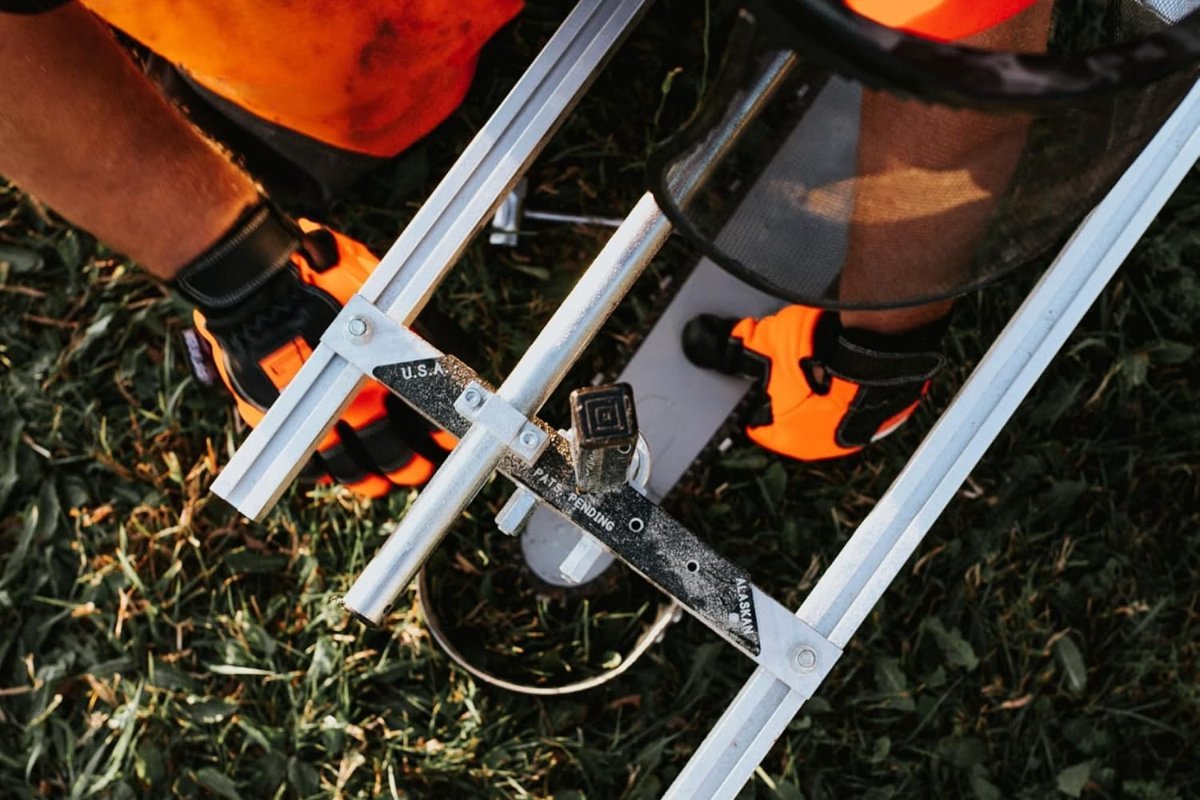
Granberg Alaskan MKIV vs. Zozen vs. VEVOR, head-to-head: start here if you haven't picked one yet.
A closer look at the industry-standard brand, for buyers who want the deepest track record.
For buyers who want to spend as little as possible to find out if milling is for them.
What to look for if you've never milled a log before.
The buying-decision guide for readers with a bigger budget in mind.
Bar length and engine size, explained: the real limiting factor on any attachment.
Getting your first attachment mounted, squared, and cutting straight.
Oiler kits, felling wedges, and replacement guide bars worth having on hand.
Kickback risk is real on this equipment: what to know before your first cut.
Which major chainsaw brands and bar lengths these attachments fit.
Extend your rail to cut boards longer than your mill's stock length, without buying a new setup.
Keep a ripping chain (a chain sharpened to cut along the grain) cutting straight instead of wandering off-line.
Why a regular chain won't cut it, and which ripping chains work.
Keep a felling cut open and control the direction a tree falls.
Which log-handling tool to reach for, and when the difference matters.
Move a log onto the mill without a cant hook or a second set of hands.
Lift the front of a sawlog onto two wheels and pull it out of the woods clean.
Tools for rolling and positioning logs on a sawmill bed.
Drawknives for peeling bark off logs before you mill them.