
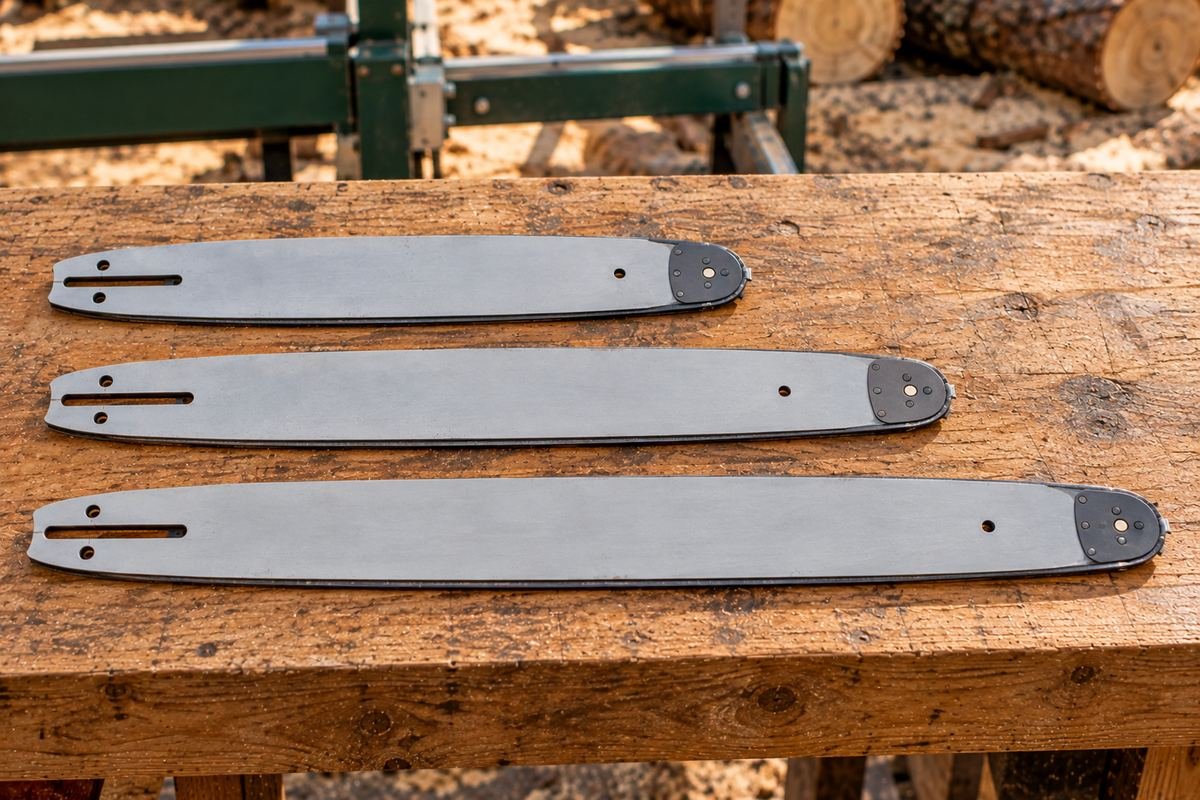
What size chainsaw do you need for a chainsaw mill? It depends on the log, so here's the math: what engine size, bar length, and chain type you need for the logs you're planning to cut, and why an underpowered saw on a long bar is a worse mistake than most people expect.
Why this isn't just "bigger is better"
It's tempting to assume a bigger engine solves everything, but bar length and engine size have to match, not just the log. A long bar has more chain in contact with the wood at any moment, which means the engine has to keep that chain moving at cutting speed against more resistance. Put a 36-inch bar on a saw that's sized for a 20-inch bar, and the chain bogs down mid-cut. You're not underpowered because the log is too big. You're underpowered because the bar-to-engine ratio is wrong. This guide is built to prevent that mistake.
Engine size by log diameter
Your bar needs to be a little longer than your widest log (Granberg, who makes the Alaskan Mill we reviewed separately, puts it plainly: the bar should be slightly longer than the log's diameter, not equal to it, since a few inches of clearance keeps the cut from binding). Once you know your bar length, the engine size follows:
Logs up to 20 inches: a 50 to 70cc saw is enough. This covers most first-time milling projects and is the range our beginner-friendly Zozen setup is built around.
Logs 20 to 30 inches: step up to 70 to 90cc. This is the range where a chainsaw mill starts feeling like real work rather than a weekend project, and where the physical effort covered in our chainsaw mill vs. bandsaw mill comparison becomes a real consideration.
Logs over 30 inches: you need 90cc or more. At this size you need a professional-grade saw, and the Granberg Alaskan Mill's 24 to 84 inch bar range exists specifically to serve this end of the market.
These aren't hard cutoffs: a 68cc saw won't fail the instant you cross from a 19-inch log to a 21-inch one. But the further you push a saw past its comfortable range, the slower and rougher the cut gets, and the harder the engine works to get there.
Matching bar length to what you're milling
Bar length should track log diameter, with a few inches of headroom:
18 to 20 inches: the practical all-around size for smaller logs and first-time setups. Most entry-level chainsaws come with a bar in this range already, which is part of why it's the common starting point.
24 to 28 inches: handles wider logs but needs the engine size to match: this is where the 70 to 90cc range from above becomes non-negotiable rather than a nice-to-have.
30 inches and up: for large logs, paired with 90cc+ saws. Few hobbyists need to go here. If you do, you already know it, because you're working with logs most attachments and most saws simply can't handle.
One detail worth knowing before you buy a longer bar: a bracket-style attachment like our budget VEVOR pick clamps onto whatever bar is already on your saw, so there's no separate bar-length limit to worry about beyond your saw's own spec. The constraint is entirely about matching bar to engine, not about what the mill attachment itself can accept.
Already own a saw? Here's how to check if it's sized right
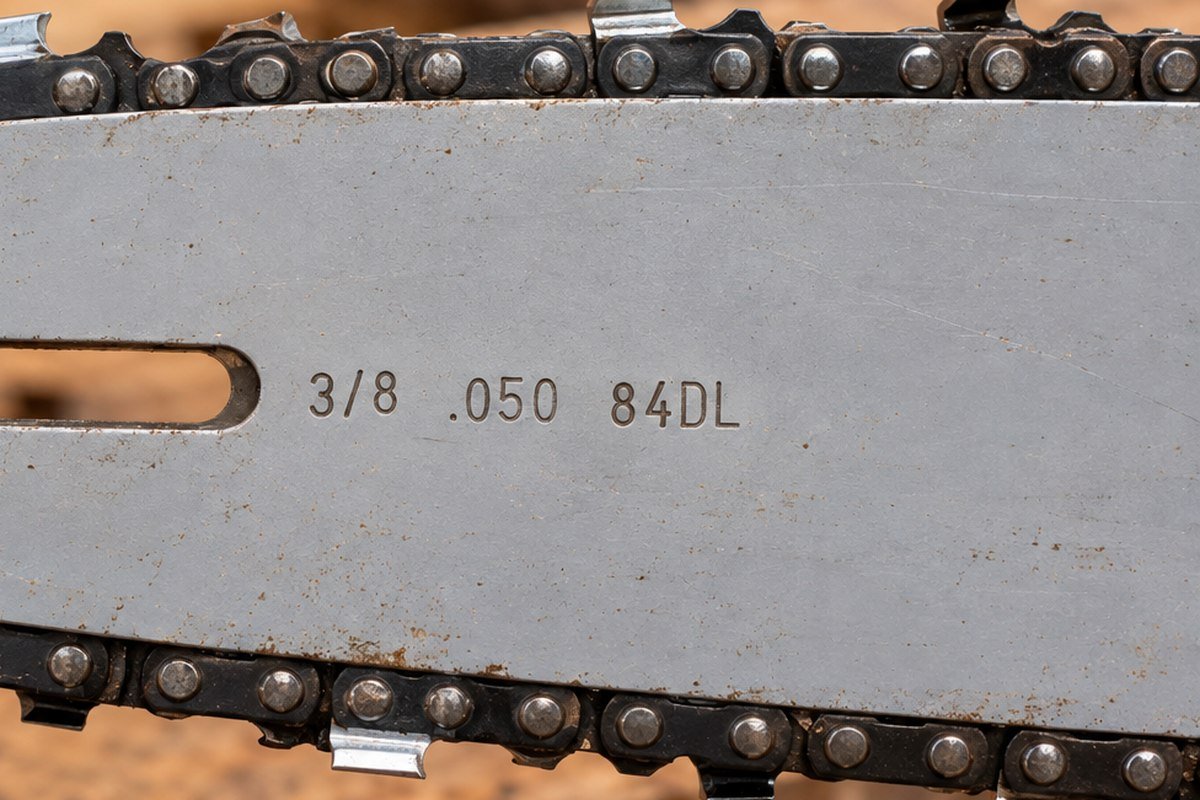
Before buying anything, look at two numbers you already have. The bar length is stamped on the bar itself, usually near the mounting end, or listed in your saw's manual. The engine displacement (in cc) is usually on a sticker near the starter housing, or in the same manual. Compare both against the ranges above and against your actual logs: not the biggest log you might theoretically ever cut, but the logs you realistically expect to mill in the next year or two. If your current saw and bar already fall inside the right range for your logs, you don't need to buy a new saw at all. A chainsaw mill attachment is designed to clamp onto the saw you have.
If your saw is close but slightly underpowered for the logs you want to mill, the more common fix is sizing the bar down rather than the engine up. A shorter bar on the same saw needs less power to keep the chain moving at cutting speed. It's also a cheaper adjustment than replacing the saw itself.
Ripping chain: when it matters
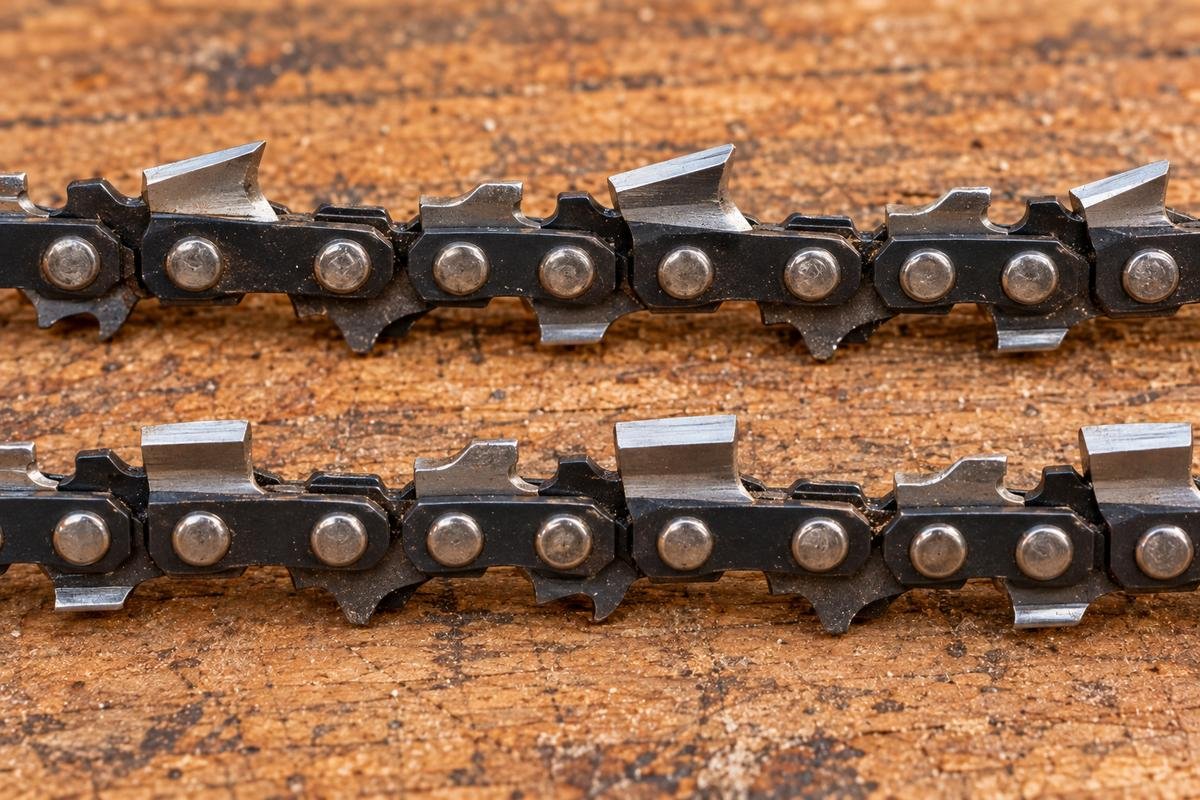
A standard crosscut chain works fine on shorter bars and occasional milling. Once you're running a bar past roughly 22 inches, or milling regularly rather than occasionally, a ripping chain (ground at a shallower angle, designed to shear wood fibers along the grain instead of across it) makes a real difference in cut speed and smoothness. It's not required to get started, but it's the first upgrade worth making once you've moved past your first few cuts.
What people get wrong about sizing
The most common mistake isn't underpowering. It's overbuying. Someone planning to mill the occasional 16-inch log talks themselves into a 90cc pro saw "to be safe." They end up with a heavier, harder-to-control saw than the job needed, plus a bar so long relative to the log that most of it never even touches wood. The oversized setup isn't dangerous. It's just inefficient: more weight to push through every cut, more fuel burned, more saw than the log in front of you calls for.
The second most common mistake is the opposite: buying a mill attachment first, then discovering the saw that's been sitting in the garage for years is a 40cc homeowner-grade model that was never built for the sustained load of milling. A chainsaw mill attachment fits almost any saw physically, but "fits" and "is sized correctly for" are different questions, and this is the one worth answering before you spend money on the attachment itself.
What Size Chainsaw Do You Need for a Chainsaw Mill: Summary
Start with your log size, not your budget or your saw's reputation. Under 20 inches, 50 to 70cc and an 18 to 20 inch bar covers you. 20 to 30 inches, move to 70 to 90cc and a 24 to 28 inch bar. Past 30 inches, you need 90cc or more. Match the bar to the log first, then match the engine to the bar, not the other way around, and add a ripping chain once you're milling regularly, not occasionally. In short, log diameter picks the bar, and the bar picks the engine. For how a chainsaw's own cutting mechanism works, Wikipedia's overview of the chainsaw covers chain speed and kickback in more technical detail.
Quick answers
What size chainsaw do I need for a chainsaw mill?
It depends on your log size: 50 to 70cc for logs up to 20 inches, 70 to 90cc for 20 to 30 inches, and 90cc or more for anything larger. Match your bar length to the log first, then size the engine to the bar.
Can I use a small chainsaw for milling?
Yes, for smaller logs. A 50 to 60cc saw with an 18 to 20 inch bar handles logs up to about 20 inches without issue: it's underpowering a long bar, not a small saw on a small log, that causes problems.
Do I need a special chain for milling?
Not to start. A standard chain works for occasional milling on shorter bars. A ripping chain becomes worth it once you're running a bar past about 22 inches or milling regularly.
Is it better to buy a bigger saw than I need?
No. An oversized saw is heavier and harder to control without giving you anything on a log that doesn't need that much power. Size to your actual logs, not just in case.