
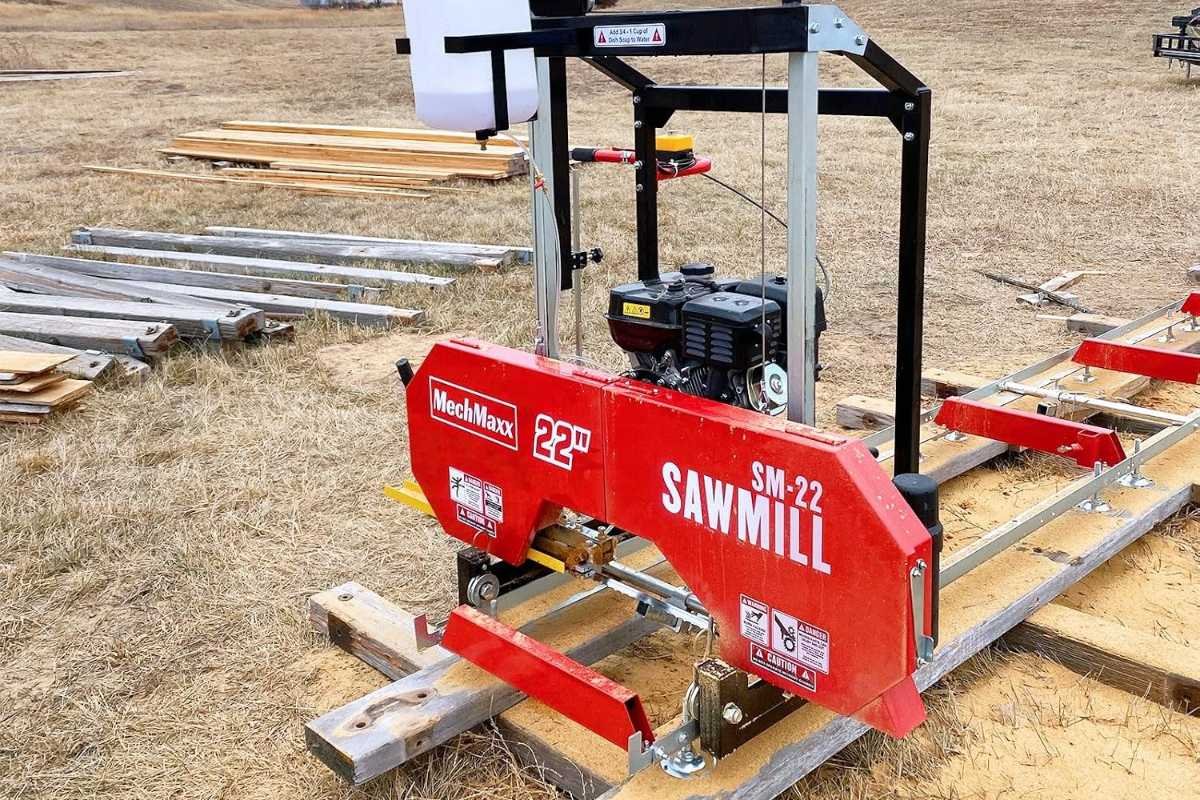
Most guides treat "rent or buy a sawmill" as a two-way choice. It's three: you can rent the machine and run it yourself, hire someone who already owns a mill to come cut your logs, or buy one outright. Those are three different costs with three different breakeven points, and only one of them, buying, is something MechMaxx, BILT HARD, Wood-Mizer, and Woodland Mills compete on directly.
Here's what each path costs, why "renting a sawmill" is rarer than it sounds, and when paying someone else to cut beats owning anything at all.
Table of Contents
What "renting a sawmill" means
Search for a portable sawmill rental, and you'll expect something like the tool rental counter at a home center. It doesn't work that way. Sunbelt Rentals, one of the largest equipment rental chains in the country, doesn't carry portable bandsaw mills at all, and neither do most general construction rental yards. Instead, you'll find a small number of individual dealers running their own rental programs on a single mill, usually within a limited service radius.
Falco Sawmill in Durham, North Carolina, is a working example: a Wood-Mizer LT15GO available to rent by the week or month, with a reservation fee, hands-on training included, and service limited to within 200 miles. That's one dealer, one mill, one region. Finding a similar program near you means calling around, not browsing a rental catalog.
What it costs to rent the machine yourself
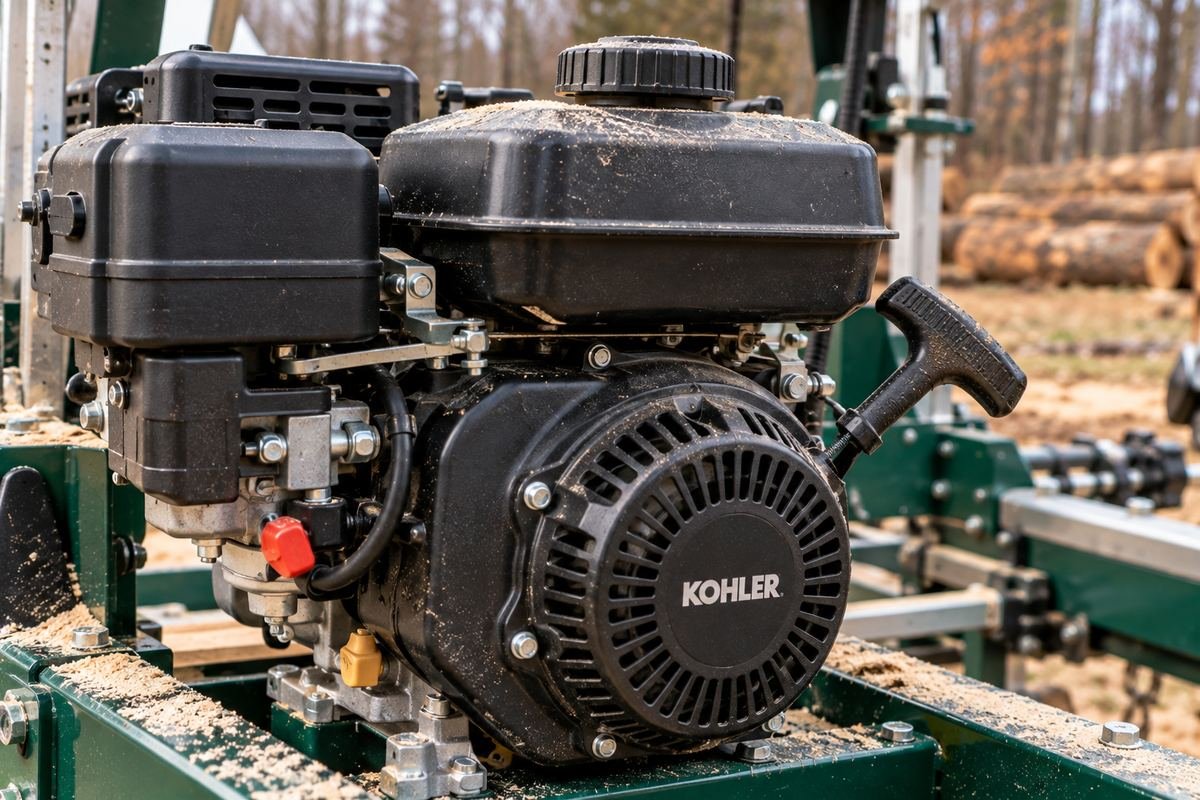
Where rental programs do exist, rates split by mill type. A chainsaw mill attachment rents for considerably less than a full bandsaw mill, whether by the day, week, or month, in the same range as the Falco LT15GO example above.
Those numbers are the mill alone. You're still responsible for fuel, blades, transport if the dealer doesn't deliver, and your own labor. If a blade hits a buried fence staple or a nail, you pay to replace it, not the rental company.
Ask about insurance before you sign anything. Some portable sawmill rental programs require proof of liability coverage before handing over the keys, especially for larger hydraulic units, while smaller dealer-run programs may fold basic coverage into the rental fee. Either way, ask what happens if the mill is damaged on your property, since that liability split is rarely spelled out clearly until you ask directly.
Finding a portable sawmill rental near you
A portable sawmill rental isn't listed on big rental-chain websites, so you need a different approach than looking up a generator or a skid steer. Start with a manufacturer's dealer locator, since dealer-run portable sawmill rental programs are far more common among Wood-Mizer's network than among generic equipment rental companies. A phone call to your nearest sawmill dealer, even one that doesn't advertise rentals, often turns up a program that isn't listed online at all.
Local sawmilling forums and regional Facebook groups for woodworkers and small-scale loggers are the next best source, since owners running a portable sawmill rental program tend to know each other and share leads. Expect the search to take longer than renting a pressure washer: most regions have at most one or two active operators, and availability during peak spring and fall cutting seasons can run weeks out. Booking early, and keeping a hired sawyer as a backup plan, saves a wasted trip if the mill you find is already reserved.
Hiring a local sawyer instead
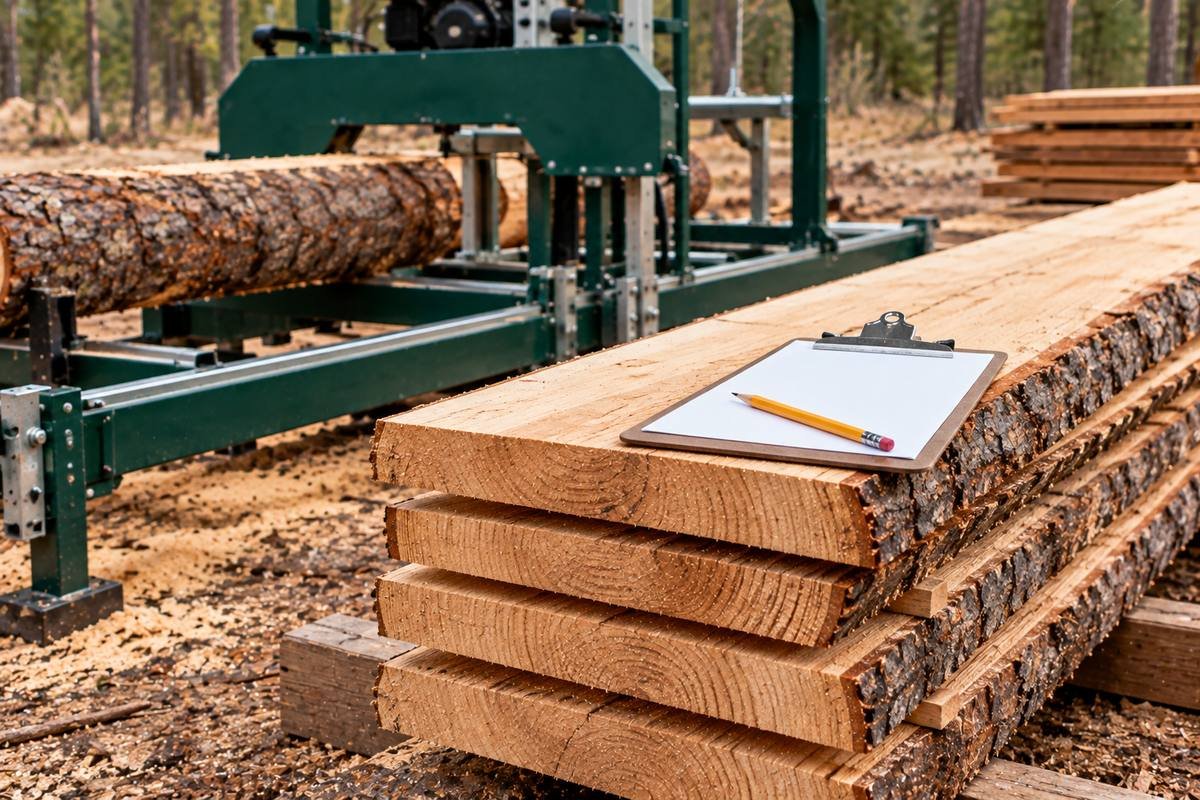
The option most rent-versus-buy guides skip entirely is paying someone else to bring their mill to you. This isn't renting equipment. It's hiring a service, and the pricing works completely differently: by the board foot or by the hour, with no machine, no blades, and no maintenance ever touching your hands.
Rates vary per board foot depending on wood species and log condition, with a lower baseline for straightforward softwood. Muddy or dirty logs typically add a surcharge per board foot, and a blade ruined by embedded metal typically costs the customer extra to replace. Sawyers who charge by the hour instead usually charge more, cutting 150 to 300 board feet (a lumber volume unit: 12 by 12 by 1 inch) an hour depending on log size and their own experience. Wood-Mizer runs a Pro Sawyer Network specifically to connect property owners with local operators, which is a faster way to find someone than searching independently.
For a one-time job (a storm-damaged tree or a single load of logs from a land-clearing project), hiring a sawyer is usually the cheapest and least complicated path of all three. No rental paperwork, no learning curve, no equipment sitting in your yard afterward.
What buying costs, by tier
Buying spans a wider range than either rental path. A chainsaw mill attachment is the cheapest tier by far. A budget bandsaw import from MechMaxx or BILT HARD costs meaningfully more, sold directly on Amazon. Dealer-direct brands go considerably higher still: Wood-Mizer's LX series is the more affordable dealer-direct line, its hydraulic LT series reaches the very top of the market, and Woodland Mills sits between the two. Our portable sawmill price and cost guide breaks down what drives the difference between those tiers in detail.
What buying adds that neither rental path includes. You get a machine you can use whenever you want, no reservation fees, no distance limits, and equipment that still has resale value when you're done with it. Our new versus used buying guide covers this if resale value matters to your decision.
One more factor worth weighing against a portable sawmill rental: financing terms on a new mill have gotten more accessible in recent years, with some dealers offering in-house payment plans that bring the monthly cost close to what a rental would run anyway. That changes the math for anyone ruling out buying purely because of the upfront number.
The real breakeven math
A portable sawmill rental can look cheap on paper until real-world numbers get involved. A real-world case from a sawmilling forum makes the breakeven concrete. One operator rented a mid-size Wood-Mizer, then added helper labor and blades on top, landing at considerably more in total monthly overhead than the base rental rate. A forum advisor's response was blunt: financing a comparable Wood-Mizer LT40 through a bank loan would cost less than half the rental's total monthly cost, while building equity in a machine instead of renting someone else's.
That comparison holds up against the published rental rates too. At typical monthly rates for a bandsaw mill rental, twelve months of renting adds up to more than the price of a new entry-level dealer-direct mill. Rent past roughly six to twelve months of steady use, and you've usually paid for a mill you don't own.
When renting or hiring still wins
None of this means buying is always right. If you need a mill for one project (a single storm cleanup or one batch of logs from a demolished barn), hiring a sawyer by the board foot costs less than a week's mill rental and completely avoids the buying decision. If you need the machine yourself but only for a few weeks a year, short-term rental keeps you from owning equipment that spends most of its life sitting idle. Buying only makes financial sense once your cutting volume is steady enough that the math in the section above tips in its favor, and for many occasional users, it never does.
Portable sawmill rental vs. buying: quick recap
A portable sawmill rental you run yourself has a real daily cost for a bandsaw mill, but real rental programs are scarce and regional. Hiring a sawyer by the board foot skips equipment entirely and suits one-off jobs best. Buying a budget bandsaw import pays for itself against rental costs within roughly six to twelve months of steady use, according to real-world rental math from working sawyers.
Frequently asked questions
Can I rent a portable sawmill near me?
Sometimes, but options are limited and regional. Large equipment rental chains like Sunbelt don't carry portable bandsaw mills. Availability usually depends on individual dealers running their own rental programs within a set service radius, so you may need to call around to find one.
Is it cheaper to hire a sawyer or rent a sawmill?
For a single small job, hiring a sawyer by the board foot is almost always cheaper, since you're paying only for the cutting rather than a full day, week, or month of equipment access. Renting the machine yourself makes more sense if you need to cut on your own schedule over several days.
How long does it take for buying to pay off compared to renting?
Based on real rental rates and a documented case from a working sawmilling forum, buying typically breaks even against rental costs in about six to twelve months of steady use, sometimes faster once you include labor and blade costs on the rental side.
What does it cost to hire someone to saw my logs?
Most custom sawyers charge per board foot, with a lower rate as a common baseline, or a flat hourly rate for operators who bill by time instead. Dirty or muddy logs often add a small surcharge, and a blade destroyed by embedded metal is typically the customer's cost to replace.