Chainsaw mill safety comes down to understanding one thing above all else: kickback, the accident that scares people away from chainsaw milling before they've made a single cut, and the one most people misunderstand. It isn't unique to milling. It's the same mechanical event that causes most chainsaw injuries in any context, but a mill attachment changes when and how you're exposed to it. Here's what causes kickback, how milling changes that risk, and what to check before your first cut.
Table of Contents
Chainsaw Mill Safety: What Kickback Is
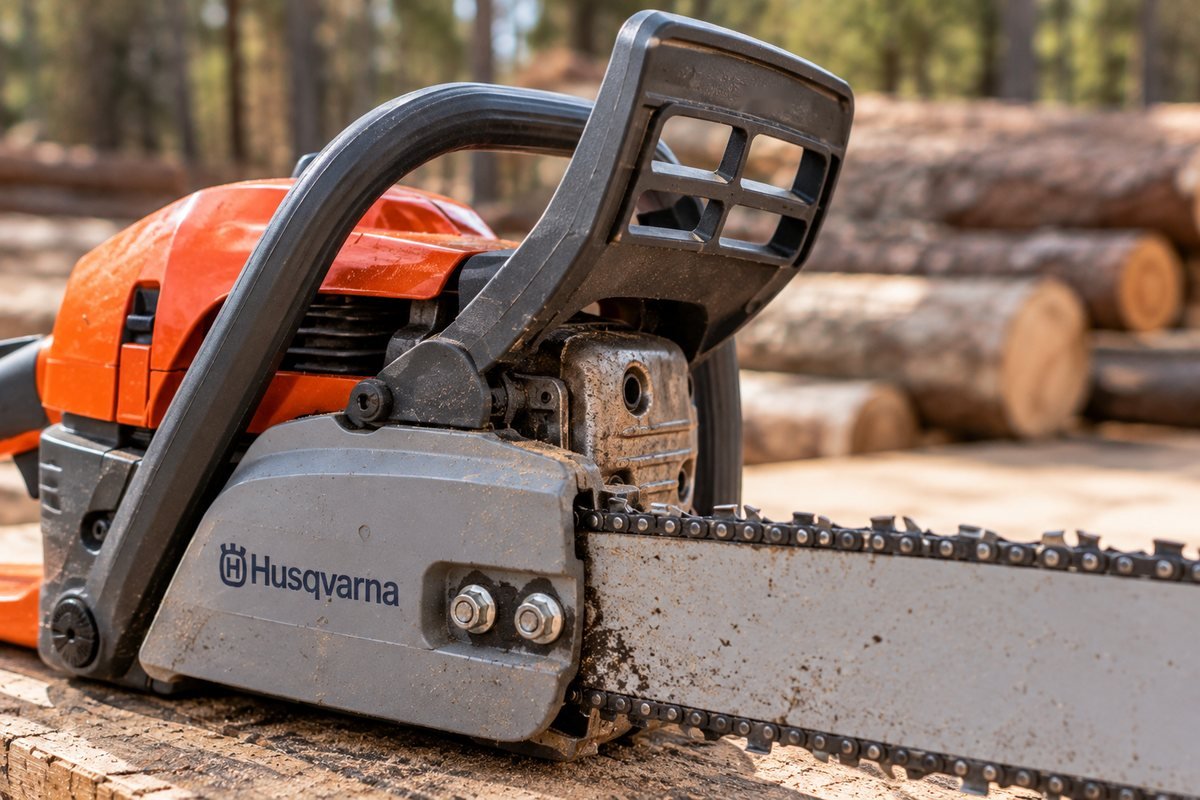
Kickback happens one of two ways: the moving chain at the bar's nose strikes an object, or the wood closes in and pinches the chain mid-cut. Either one sends the bar snapping up and back toward the operator, fast enough that there's no time to react once it starts. The entire point of kickback prevention is stopping it before it happens, not reacting to it in the moment. The danger zone is the upper part of the bar's nose, often called the kickback zone: keeping that area away from anything it could strike is the single most repeated rule in every chainsaw safety guide, milling or otherwise.
Two safety features exist specifically for this. A chain brake stops the chain when it engages, but it loses effectiveness over time from wear, oil, or sawdust buildup in the brake mechanism. Checking that your brake engages and stops the chain is a five-second test worth doing before every session, not just something you confirmed once when you bought the saw. Low-kickback (also called reduced-kickback) chain, marked with a green ANSI (American National Standards Institute) label in North America, is designed to reduce how violently the chain can grab and kick during a strike. Neither one prevents kickback outright. Both reduce it.
How Milling Changes the Exposure
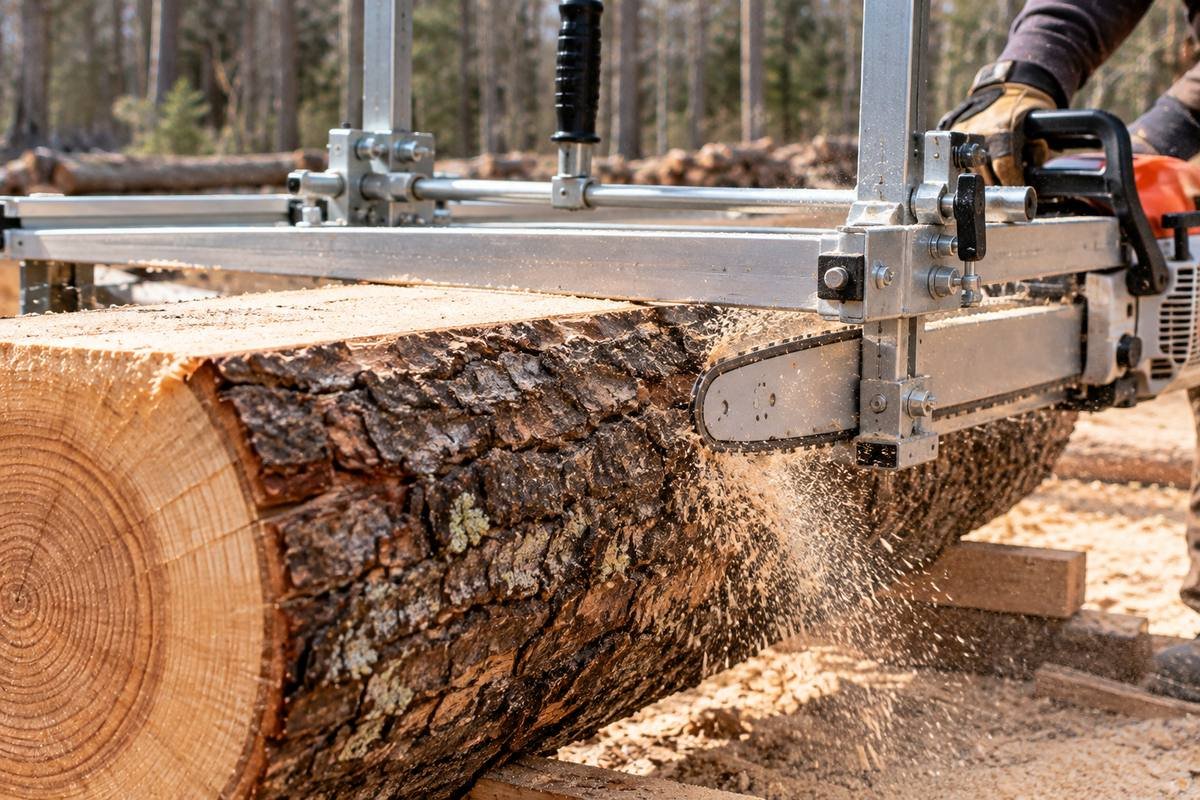
Most kickback guidance is written for freehand cutting (limbing, felling, bucking), where the bar's nose swings freely and can strike a hidden branch, a stump, or the ground without warning. A mill attachment changes that geometry. For most of a milling pass, the bar is buried in the wood and traveling in a straight, mill-guided line along the rail, not swinging free the way it does during limbing or felling. That reduces the classic nose-strikes-something version of kickback for the bulk of the cut, simply because there's less opportunity for the bar's tip to contact anything unexpected mid-pass.
The pinching cause doesn't go away, though, and it's arguably the more relevant risk in milling specifically. A long rip cut under the sustained weight of a heavy log is exactly the kind of pressure that closes a kerf (the slot a blade or chain cuts) onto the chain. That is why felling wedges are standard milling practice rather than an optional accessory.
We cover the technique in our setup and first-cut guide and the material specifics in our accessories guide. The moments of real kickback exposure in milling are the start and end of each pass, when the bar is entering or exiting the log and the mill isn't yet, or is no longer, constraining its path the way it does mid-cut. Stay especially deliberate at those two points.
What to Wear
Milling sessions run longer than a typical bucking or limbing job, which means more total exposure time to noise, debris, and fatigue, so PPE matters at least as much here as anywhere else you'd run a saw.
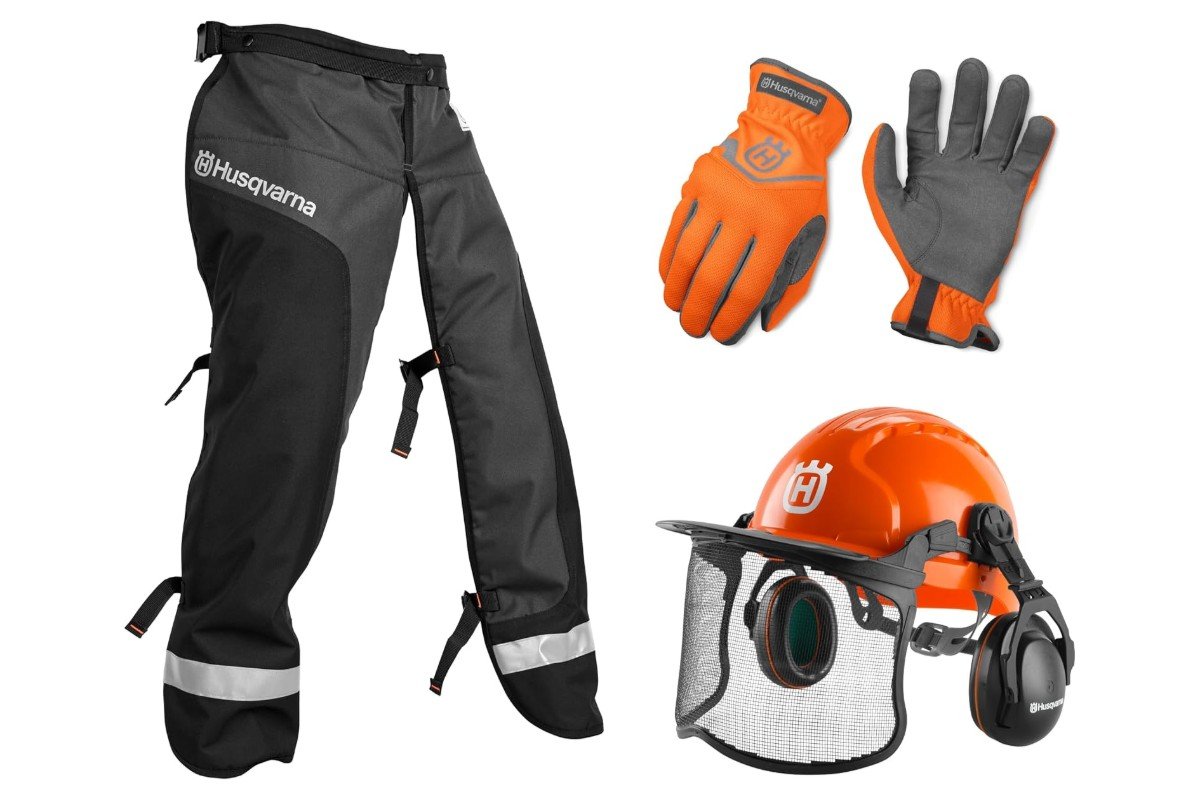
Here is the full list. Wear a hard hat rated to CSA Z94.1 (a Canadian safety standard), safety glasses or goggles rated to CSA Z94.3 (a face shield alone isn't enough). Add hearing protection rated to CSA Z94.2 (chainsaws run 95 to 115 dBA, loud enough to cause hearing damage over a long session) and leather gloves with ballistic-nylon reinforcement. Wear chainsaw chaps or trousers with sewn-in ballistic-nylon pads that extend to the belt line with no loose cuffs to catch on the chain, and heavy cut-resistant boots.
None of this is milling-specific gear. It's the same kit any chainsaw operator should already own, but wear all of it every time, since a longer milling session is exactly when skipping a piece of it catches up with you.
Before Your First Cut
Run this short checklist before every session, in order: confirm the chain brake engages and stops the chain. Confirm the chain is sharp and correctly tensioned, since a dull or loose chain is a documented contributing factor in kickback incidents, on top of just cutting poorly. Confirm your mill attachment is mounted and squared per our setup guide, since a loose or misaligned mount changes how the bar behaves under load. Put on full PPE before starting the saw, not partway through. And know where your bar's nose is at the start and end of every single pass, since that's where milling's kickback exposure concentrates.
What People Get Wrong About Chainsaw Mill Safety
The most common mistake is treating milling as inherently more dangerous than regular chainsaw use, and either avoiding it out of excess caution or, just as often, overcorrecting into a false sense of security once the fear wears off. Neither is accurate. Milling doesn't eliminate kickback risk and it doesn't multiply it. It relocates it, away from the free-swinging nose contact that dominates freehand cutting and toward the pinch risk that wedges exist to solve. Treat it with the same seriousness as any other chainsaw work, know where your own risk concentrates, and the equipment isn't any more dangerous than the saw already was.
Summary
Kickback in milling comes from the same two causes as anywhere else (bar-tip contact and pinching). But a mill attachment shifts most of the real exposure to the start and end of each pass and to kerf pinch, which is exactly what wedges are for. Verify your chain brake, wear full PPE for the length of the session, and stay deliberate entering and exiting each cut. That's the whole picture: milling isn't a special hazard category. It's the same saw with the risk in different places.
Quick Answers
Is chainsaw milling more dangerous than regular chainsaw use?
Not inherently. The same two kickback causes apply (bar-tip contact and pinching), but milling reduces free-swinging nose exposure during most of a pass while making kerf pinch the more relevant risk, which is why wedges are standard practice.
How do I know if my chain brake still works?
Test it before every session: engage the brake and confirm the chain stops moving completely. Effectiveness degrades over time from wear, oil, or sawdust in the brake mechanism, so a brake that worked last month isn't guaranteed to work today.
What protective gear (PPE) do I need for milling?
The same full kit as any chainsaw work: hard hat, rated eye protection, hearing protection, cut-resistant gloves, chainsaw chaps extending to the belt line, and cut-resistant boots. Milling sessions run longer, which makes skipping any of it riskier, not less necessary.
When during a milling pass is kickback risk highest?
At the start and end of each pass, when the bar is entering or exiting the log and isn't yet, or is no longer, constrained by the mill's guided path the way it is mid-cut.